



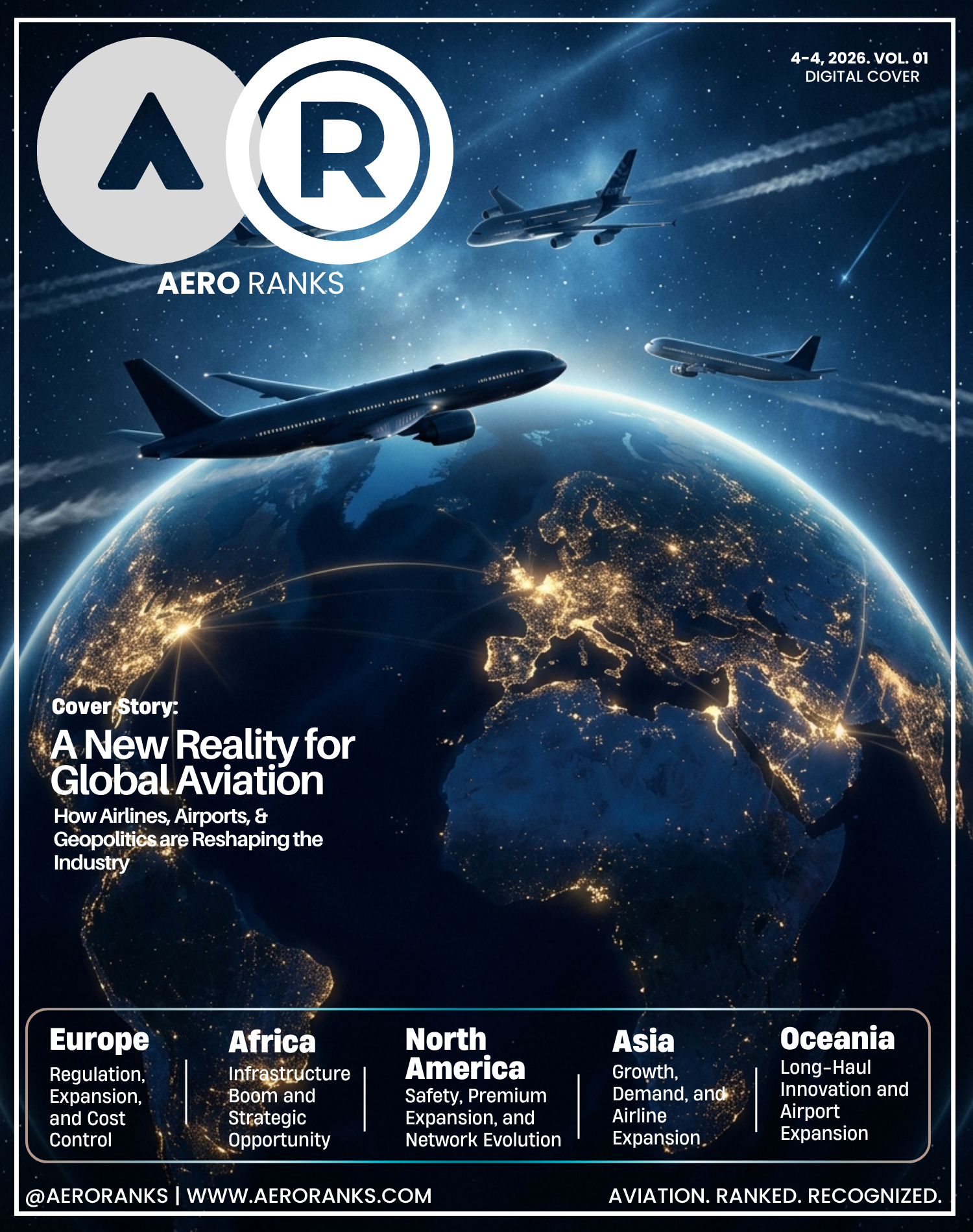
Today, April 4, 2026, the aviation industry stands at a defining moment.
Across continents, the signals are clear. Flights are being rerouted. Airspace is under pressure. Airlines are adjusting in real time. Airports are operating at the edge of capacity. And behind it all, geopolitics is quietly reshaping how the world moves.
What was once a system built on predictability is now being tested by uncertainty.
In just the past few days, developments across key regions have reinforced a growing reality — aviation is no longer driven solely by demand and expansion. It is now influenced by global tensions, operational disruption, and shifting power dynamics.
👉 The industry is not just evolving.
It is adapting in real time.
This is the new aviation landscape — one where resilience matters as much as growth, and where every decision in the sky is connected to forces on the ground.
The aviation industry is entering a new era — one that is no longer defined by aircraft, routes, or even passenger demand.
For decades, the formula was clear: expand networks, increase efficiency, and move more people across the globe. But today, that formula is being rewritten.
Now, aviation is shaped by something far more complex —
geopolitics, disruption, and global power dynamics.
From restricted airspace to rising operational costs and shifting international alliances, the industry is navigating a landscape where certainty is no longer guaranteed. Stability, once taken for granted, is now a strategic advantage.
And in this new reality, adaptability is no longer optional —
it is essential.
When the Sky Is No Longer Neutral
Recent disruptions across key regions have revealed a truth that is impossible to ignore:
The sky is no longer neutral.
Airspace, once simply a pathway between destinations, has become a strategic asset — influenced by political tensions, regional instability, and global decision-making.
For airlines, this shift is immediate and operational.
Flights are being rerouted across longer, more complex paths.
Schedules are adjusted in real time.
Fuel consumption rises as aircraft travel further distances to avoid sensitive zones.
What was once routine has become dynamic.
And the impact is far-reaching.
Operational complexity is increasing.
Ticket prices are under pressure.
Global networks are becoming less predictable.
In this environment, airspace is no longer just part of the journey —
it is a defining factor of it.
Airlines Rethinking Their Role
As the environment evolves, so too must the airlines operating within it.
The modern airline is no longer just an operator of aircraft.
It is a strategist navigating uncertainty.
Airlines are now managing geopolitical risk alongside operational performance. They are building flexible networks that can adapt to sudden changes. They are investing not just in efficiency, but in resilience — ensuring they can continue operating even when conditions shift unexpectedly.
The focus has changed.
It is no longer about doing more with less.
It is about staying stable in a system that is constantly moving.
The airlines that will lead this new era are not simply the most efficient —
they are the most adaptive.
Airports Becoming Global Power Centers
At the same time, airports are undergoing their own transformation.
Once viewed primarily as infrastructure, airports are now emerging as powerful forces within the aviation ecosystem.
They are becoming economic engines, driving regional development.
They are strategic connectors, linking continents and markets.
They are influence centers, shaping how global travel flows.
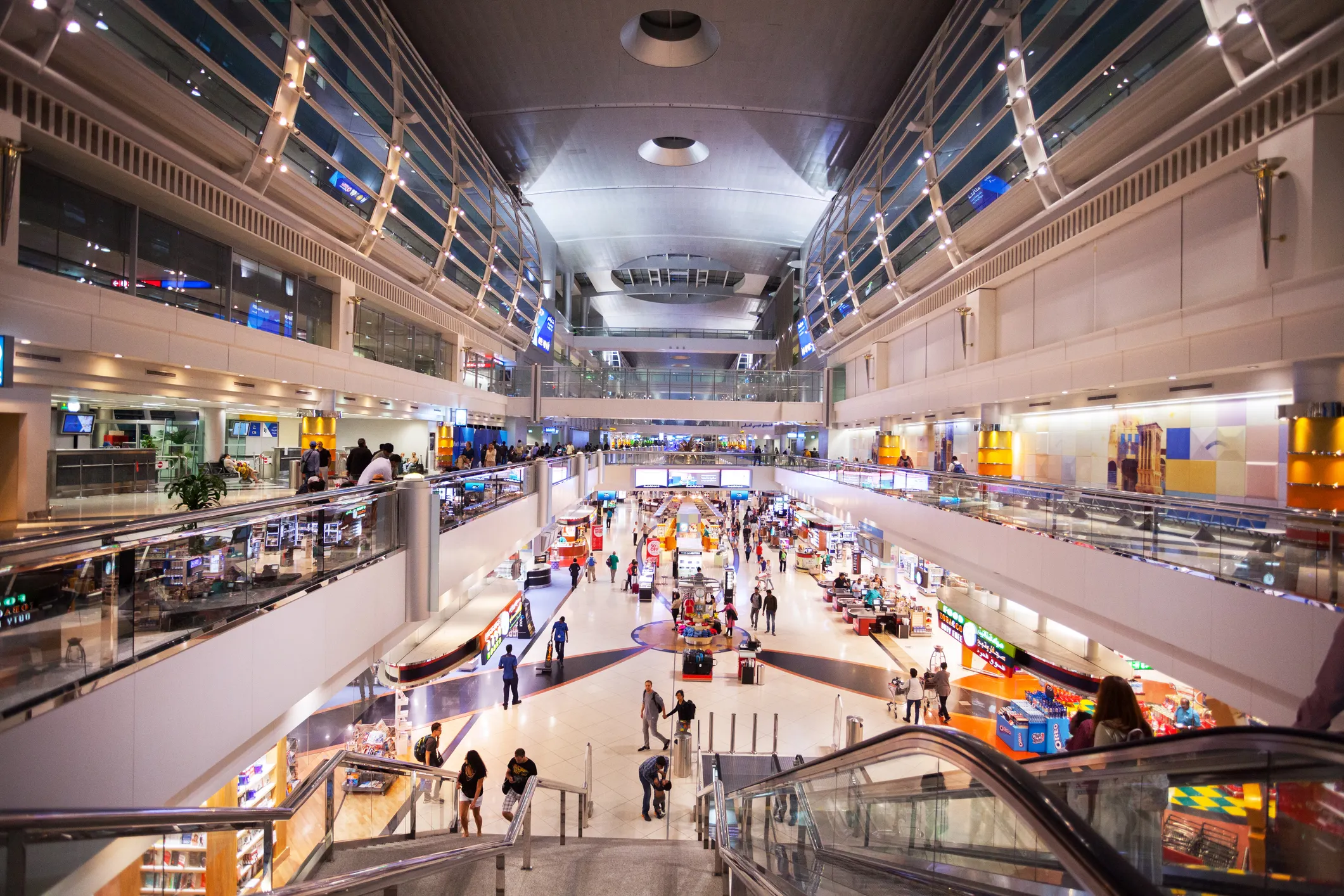
Major hubs across the Middle East, Europe, and Asia are leveraging their geographic positions and investing heavily in expansion. Their goal is not just to handle traffic, but to control it — to position themselves at the center of global movement.
In this new era, airports are no longer passive.
They are active players in shaping the future of aviation.
The Paradox of Growth
Despite rising disruptions, one thing remains clear:
Demand is not slowing down.
Passenger numbers continue to surge across regions.
International travel is expanding.
Business and leisure demand are both returning at scale.
This creates a paradox.
The world wants to fly more than ever —
but the systems supporting that demand are under increasing pressure.
More passengers.
More flights.
More complexity.
The challenge is no longer just growth.
It is managing growth in an unpredictable environment.
The Economics Under Pressure
Behind every flight is an economic reality — and that reality is becoming more volatile.
Fuel prices continue to fluctuate, placing pressure on airline profitability.
Operational costs are rising.
Airlines are forced to adjust fares, introduce surcharges, and rethink pricing strategies.
The balance between affordability and sustainability is becoming harder to maintain.
And as costs rise, the margin for error becomes smaller.
In this environment, financial discipline is no longer enough.
Airlines must also be strategically resilient.
Technology: The Silent Force Driving Change
Amid all the disruption, one factor is quietly transforming the industry:
Technology.
Artificial intelligence is optimizing operations.
Real-time data is guiding decision-making.
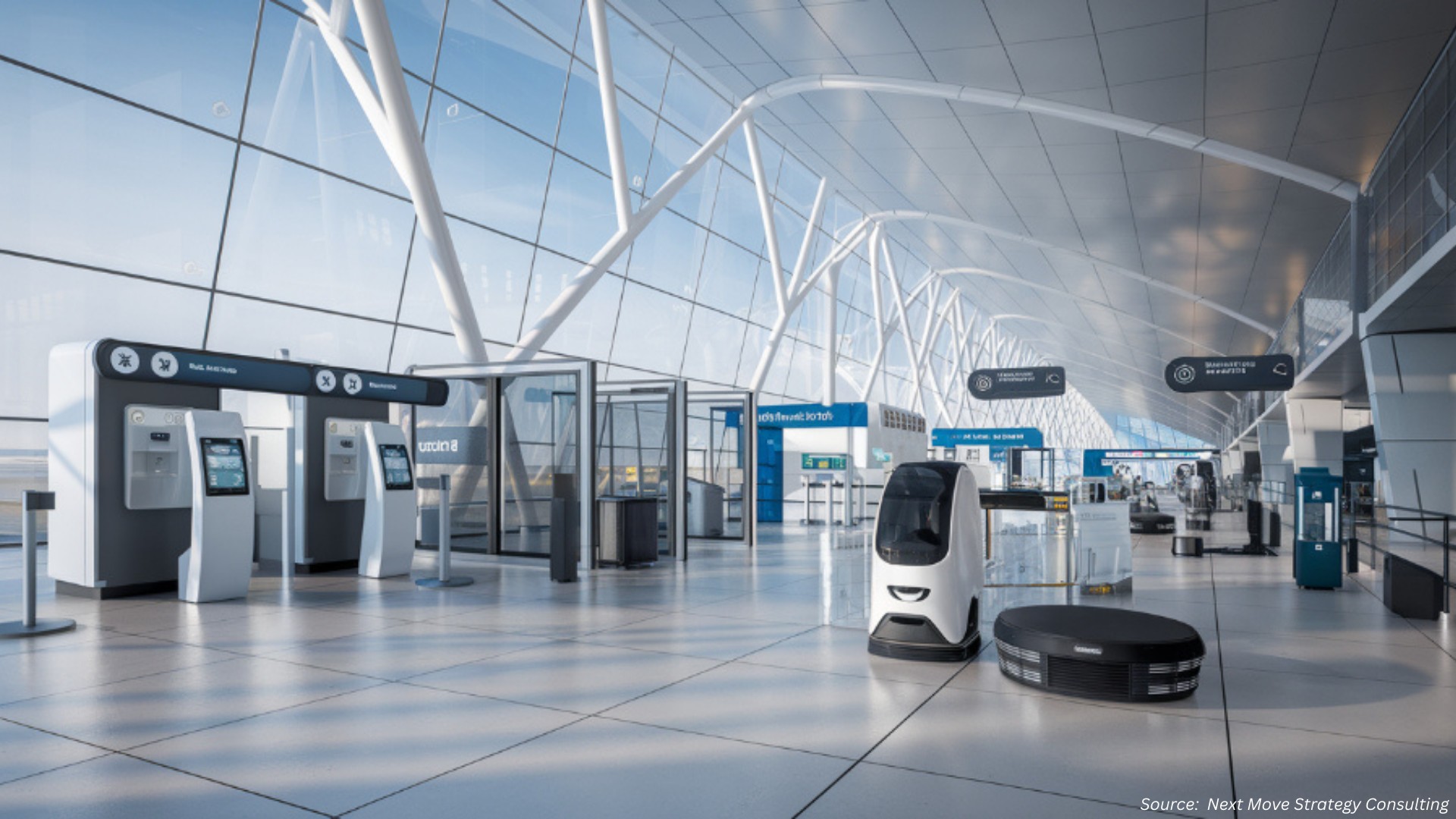
Advanced systems are improving passenger processing and airport efficiency.
Technology is not removing complexity —
but it is helping the industry manage it.
It allows airlines and airports to respond faster, adapt smarter, and operate with greater precision.
In a world where conditions can change instantly,
this capability is no longer a luxury — it is a necessity.
A Defining Moment for Aviation
What we are witnessing is not just a phase of disruption.
It is a structural shift.
Aviation is moving from a system built on predictability
to one defined by adaptability.
From efficiency to resilience.
From routine to real-time decision-making.
And in this transformation lies both challenge and opportunity.
Final Reflection
The future of aviation will not be determined solely by who has the biggest fleets or the widest networks.
It will be defined by those who can navigate complexity, respond to change, and operate with clarity in uncertain conditions.
Because in today’s world, flying is no longer just about movement.
It is about strategy, resilience, and control in the skies.