


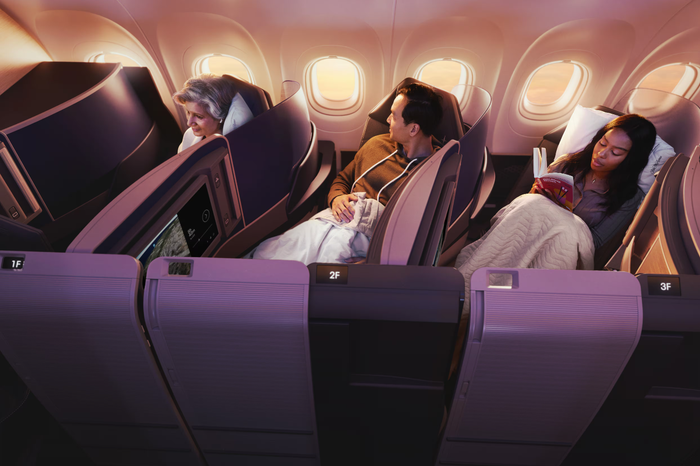
Starlink WiFi Expands Across Airlines — A New Era of Inflight Connectivity Takes Off

The End of “Airplane Mode”? Aviation Connectivity is Being Redefined
For decades, inflight internet has been one of aviation’s biggest frustrations — slow speeds, unstable connections, and expensive access.
In 2026, that reality is changing rapidly.
With the expansion of Starlink, airlines around the world are entering a new phase where high-speed, reliable internet at 35,000 feet is becoming the standard — not a luxury.
👉 The message is clear:
Connectivity is now as important as the seat itself.
What is Starlink — and Why It’s a Game Changer
Developed by SpaceX, Starlink is a satellite-based internet system powered by a constellation of low Earth orbit (LEO) satellites.
Unlike traditional inflight WiFi systems that rely on ground towers or geostationary satellites:
- Starlink offers much lower latency
- Delivers significantly faster speeds
- Provides global coverage — including oceans and remote regions
👉 This makes it uniquely suited for aviation.
Airlines Adopting Starlink at Scale
Airlines across multiple continents are rapidly integrating Starlink into their fleets:
- North American carriers are rolling out free high-speed WiFi
- European airlines are testing next-gen connectivity upgrades
- Middle Eastern and Asian carriers are evaluating fleet-wide adoption
- Low-cost carriers are using it to enhance value offerings
👉 Some airlines are even offering free WiFi for all passengers — a major shift from paid access models.
What Passengers Can Expect
Starlink is transforming the inflight experience in real terms:
🚀 True High-Speed Internet
- Streaming platforms (Netflix, YouTube) work seamlessly
- Video calls become possible in-flight
- Real-time browsing without lag
📡 Consistent Connectivity
- Stable connection across oceans and remote areas
- Fewer dropouts compared to traditional systems
💼 Work in the Sky
- Business travelers can now:
- Join Zoom calls
- Send large files
- Stay fully productive
👉 The aircraft cabin is becoming an extension of the office and home
Why Airlines Are Investing in Connectivity
1. Passenger Expectations Have Changed
Modern travelers expect to be connected everywhere — including the sky.
👉 WiFi is no longer a perk
It is a basic expectation
2. Competitive Advantage
Airlines offering fast, free WiFi gain a strong edge:
- Higher customer satisfaction
- Increased brand loyalty
- Better passenger experience ratings
3. Revenue Opportunities
Even when offered free, connectivity creates value:
- E-commerce onboard
- Advertising opportunities
- Premium service differentiation
The Bigger Shift: Connectivity as Core Infrastructure
Starlink’s expansion is part of a broader transformation:
👉 Airlines are becoming digital platforms, not just transport providers
This includes:
- Smart cabins
- Connected passenger ecosystems
- Personalized travel experiences
⚠️ Challenges to Watch
Despite the excitement, there are still hurdles:
- Installation costs across large fleets
- Regulatory approvals in some regions
- Competition from other satellite providers
👉 However, the momentum behind Starlink remains strong.
🔍 AeroRanks Insight
This is one of the most important upgrades in modern aviation.
- Connectivity is moving from limited → limitless
- The passenger experience is becoming digitally driven
- Airlines that invest early will define the future of travel
👉 In the near future, asking for WiFi on a plane will feel outdated
— because it will simply always be there
✈️ Final Word
With Starlink expanding across airlines, one thing is clear:
👉 The sky is no longer offline.
From streaming to working to staying connected globally,
inflight internet is finally catching up with the modern world.