





Surge in New Transatlantic Routes — Airlines Race to Capture Long-Haul Demand in 2026
A Transatlantic Comeback — Bigger, Bolder, and More Strategic
The transatlantic aviation market is experiencing a powerful resurgence in 2026, with airlines launching dozens of new routes between North America and Europe.
After years of disruption, this is not just a recovery — it is a full-scale expansion, driven by demand, new aircraft technology, and intense airline competition.
👉 The message is clear:
The Atlantic is once again the most competitive air corridor in the world.
What’s Driving the Surge
1. Record Travel Demand
Passenger demand between the U.S. and Europe has surged beyond pre-pandemic levels.
- Leisure travel remains strong
- Business travel is gradually returning
- Premium travel demand is at an all-time high
👉 Airlines are responding by adding more routes, frequencies, and capacity.
2. New Aircraft Unlock New Possibilities
Aircraft like the Airbus A321XLR and Boeing 787 are transforming route economics.
- Longer range with lower operating costs
- Ability to fly direct routes between smaller cities
- Reduced dependency on major hubs
👉 This is enabling “long and thin” routes that were previously impossible.
3. Competition Is Intensifying
Airlines are aggressively expanding to secure market share across the Atlantic.
- U.S. carriers launching new European destinations
- European airlines strengthening U.S. presence
- Low-cost carriers entering long-haul competition
👉 The result:
More choices, more routes, and more pressure on pricing and service quality
New Routes Reshaping the Map
The 2026 expansion includes a mix of major city links and underserved routes, such as:
- U.S. secondary cities → European cultural hubs
- Direct routes bypassing traditional mega hubs
- Seasonal routes becoming year-round operations
👉 Airlines are now focusing on point-to-point connectivity, not just hub-and-spoke systems.
Premium Travel Leading the Growth
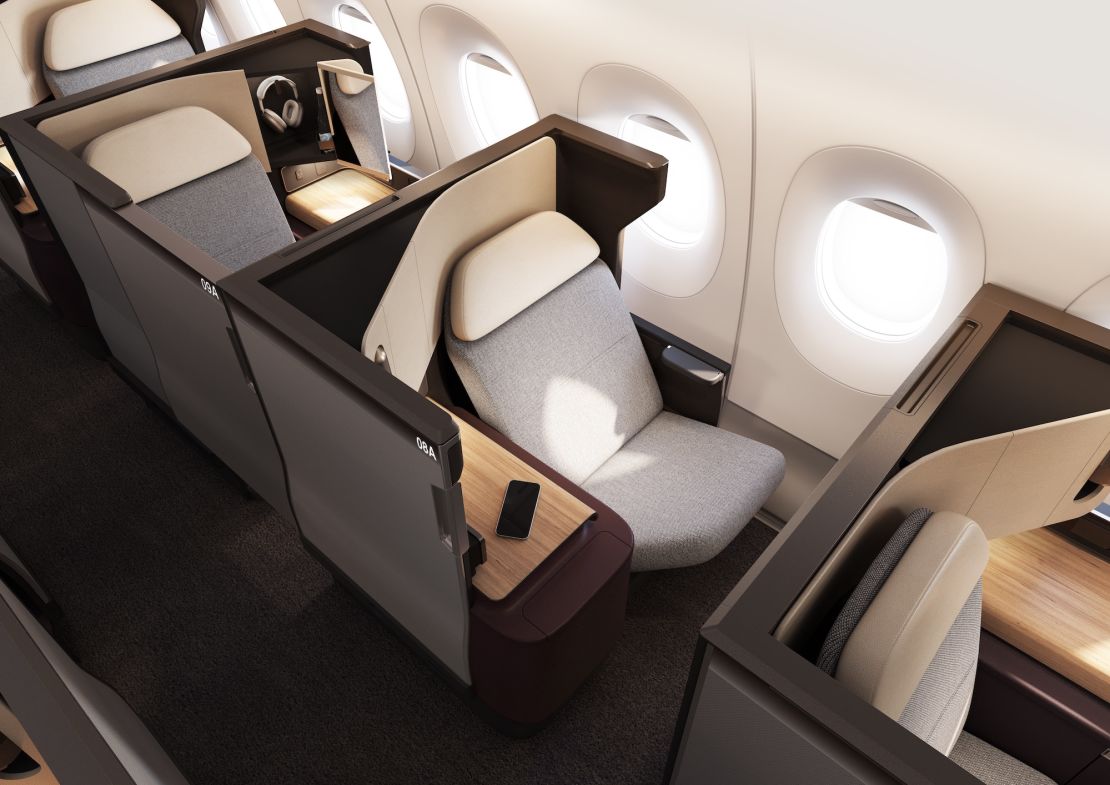
A key trend behind the expansion is the rise of premium cabins.
- Business class demand is surging
- Premium economy is becoming a major revenue driver
- Airlines are increasing premium seat ratios on new routes
👉 This shift reflects a new reality:
Profitability is increasingly driven by fewer, higher-paying passengers
Airlines Leading the Expansion
Major players driving the transatlantic surge include:
- U.S. legacy carriers expanding aggressively
- European full-service airlines strengthening long-haul networks
- Low-cost airlines offering competitive transatlantic fares
👉 Each is competing on:
- Route network
- Pricing
- Passenger experience
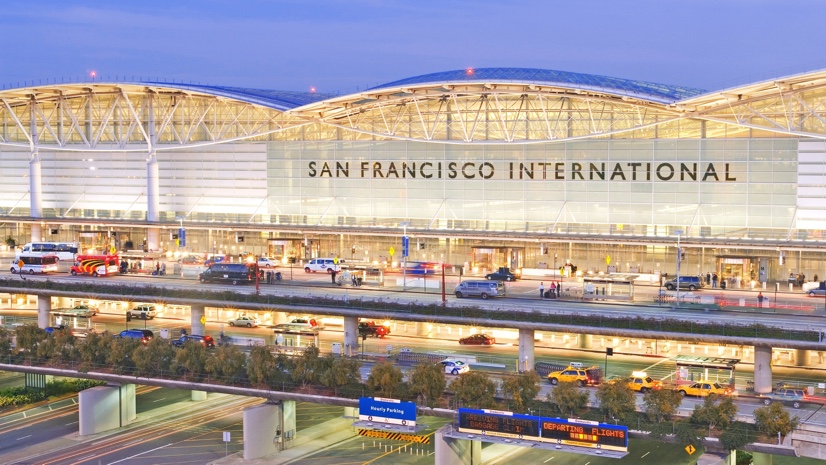
Airports Also Benefiting
The surge is not just about airlines — airports are seeing major gains.
- Increased passenger traffic
- Expanded international connectivity
- Growth in tourism and economic activity
👉 Secondary airports are emerging as new international gateways.
Challenges Behind the Growth
Despite the boom, airlines face several risks:
⚠️ Rising Fuel Costs
Geopolitical tensions are pushing up operating costs.
⚠️ Airspace Disruptions
Global conflicts are forcing rerouting of flights.
⚠️ Airport Capacity Limits
Busy airports in both the U.S. and Europe are nearing operational limits.
👉 Growth is strong — but not without pressure.
🔍 AeroRanks Insight
This surge represents a strategic shift in global aviation:
- Airlines are prioritizing flexibility over size
- New aircraft are redefining route possibilities
- Premium travel is becoming the core revenue engine
👉 The transatlantic market is no longer just about volume
It is about value, efficiency, and experience
✈️ Final Word
The explosion of new transatlantic routes in 2026 signals one thing:
👉 Air travel between North America and Europe is entering a new golden era
More routes.
More competition.
More innovation.
And for passengers:
More power than ever before.