



FAA Cuts Capacity at San Francisco Airport — A Major Shift in U.S. Aviation Operations
A Major Operational Reset at One of America’s Busiest Airports
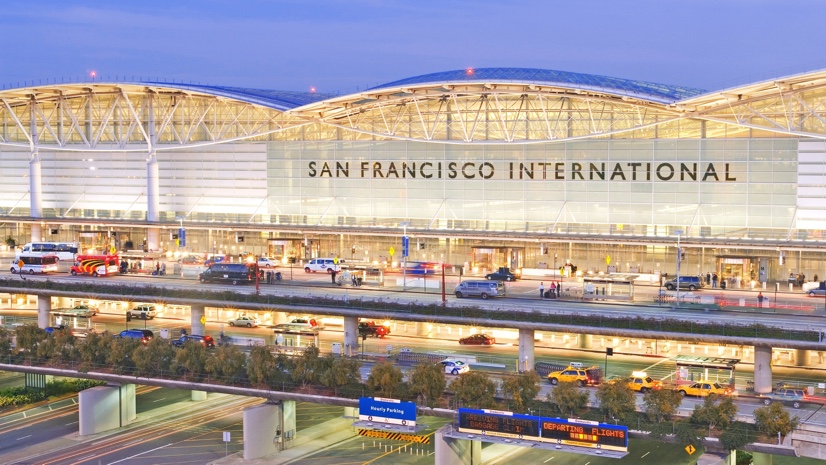
San Francisco International Airport (SFO), one of the busiest aviation hubs in the United States, is facing significant disruption after the Federal Aviation Administration (FAA) introduced new safety restrictions that drastically reduce flight capacity.
The move is already sending shockwaves across the U.S. aviation system — with delays, airline adjustments, and broader implications for global connectivity.
What Changed: Capacity Slashed by One-Third
The FAA has reduced the airport’s maximum arrival rate from 54 flights per hour to just 36 — a sharp cut of nearly 33%.
This change is driven by a new safety rule banning side-by-side landings on SFO’s closely spaced parallel runways.
Previously, aircraft could land simultaneously on parallel runways under clear weather conditions. Now:
👉 All aircraft must follow staggered landing approaches, increasing spacing and reducing efficiency.
Why the FAA Made This Decision
The FAA says the move is rooted in enhanced safety standards.
- The airport’s parallel runways are only about 750 feet apart, far below the distance typically required for simultaneous landings.
- The agency is aligning SFO operations with stricter national separation rules.
This follows increased scrutiny across U.S. aviation after recent safety incidents, prompting regulators to prioritize risk reduction over operational speed.
👉 In simple terms:
Safety now comes before capacity — even at the cost of delays.
Construction Makes the Situation Worse
At the same time, SFO is undergoing a major runway rehabilitation project:
- One of its key runways (Runway 1R) is closed for about six months
- The project is part of a broader infrastructure upgrade program
This means the airport is dealing with two major constraints simultaneously:
- FAA safety restrictions
- Reduced runway availability
👉 Together, they are creating a perfect storm for delays
Delays Expected to Surge Across Flights
The impact on passengers is already significant:
- Up to 25% of incoming flights could face delays of 30 minutes or more
- Peak travel periods (evenings, Mondays, Fridays) will be the most affected
Previously, delays were expected at around 15% — meaning this new policy could nearly double disruption levels.
Airlines Hit Hard — Especially United & Alaska
San Francisco is a major hub for airlines like:
- United Airlines
- Alaska Airlines
Together, they account for a significant share of traffic at the airport — and will be among the most affected by the reduced capacity.
👉 Airlines may now have to:
- Adjust schedules
- Reduce frequency
- Deploy larger aircraft instead of multiple smaller flights
Long-Term Impact: A Structural Shift in SFO Operations
Even after construction ends, the situation won’t fully return to normal.
- Capacity may only rise to 45 flights per hour, still below the previous 54
- The ban on parallel landings is permanent, not temporary
👉 This signals a long-term shift in how one of America’s key aviation gateways operates.
The Bigger Picture: What This Means for Aviation
This development is bigger than San Francisco.
1. Safety Over Efficiency
Regulators are clearly prioritizing safety — even if it means reduced airline profitability and passenger convenience.
2. Infrastructure Limitations Are Real
SFO’s runway layout has long been a constraint, and expansion options are limited due to environmental concerns.
3. Ripple Effects Across the Network
Delays at a major hub like SFO can:
- Disrupt connecting flights
- Affect airline networks globally
- Increase operational costs
AeroRanks Insight
This is not just a local airport story.
It is a signal of a wider shift in global aviation.
- Airports are reaching capacity limits
- Safety regulations are tightening
- Airlines must adapt to new operational realities
✈️ Final Word
San Francisco International Airport is entering a new phase — one defined by lower capacity, stricter safety, and operational challenges.
For passengers, it means more delays.
For airlines, it means more strategy.
For the industry, it means one thing:
👉 Aviation is evolving — and efficiency is no longer guaranteed.