


United Airlines Unveils Premium A321XLR Aircraft — Redefining Long-Haul Travel on Narrowbody Jets
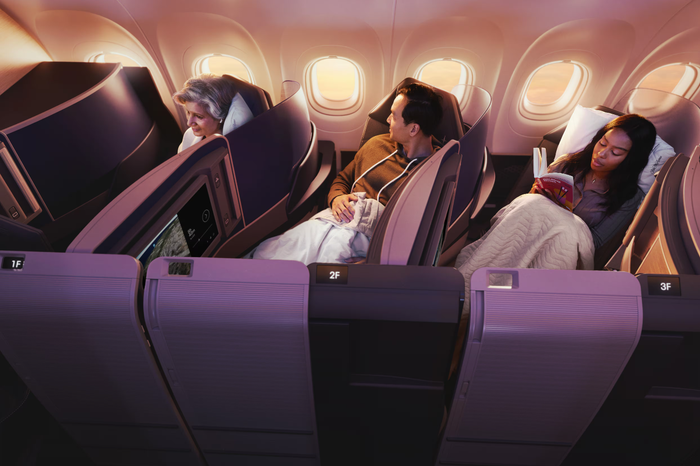
United Airlines has officially unveiled its next-generation Airbus A321XLR, a premium-focused aircraft that is set to redefine long-haul travel — especially on routes traditionally operated by smaller jets.
The aircraft represents a bold shift in strategy:
👉 Delivering widebody-level comfort on a single-aisle plane
Set to enter service in summer 2026, the A321XLR is central to United’s plan to dominate the growing market for “long and thin” international routes.
What Makes the A321XLR Different
At its core, the A321XLR is designed for efficiency + range + premium experience:
- Range of up to 5,400 miles nonstop
- Ability to connect smaller cities directly without major hubs
- Replacing older Boeing 757 aircraft across United’s network
👉 This allows United to open routes that were previously not economically viable.
Inside the Aircraft: A Premium-Heavy Cabin Strategy
The aircraft features a three-class configuration with 150 seats, heavily weighted toward premium travelers:
- 20 Polaris Business Class suites
- 12 Premium Plus (premium economy) seats
- 118 Economy seats (including extra-legroom options)
👉 Compared to older aircraft, this is a significant increase in premium seating capacity.
Polaris Business Class: Private Suites in the Sky
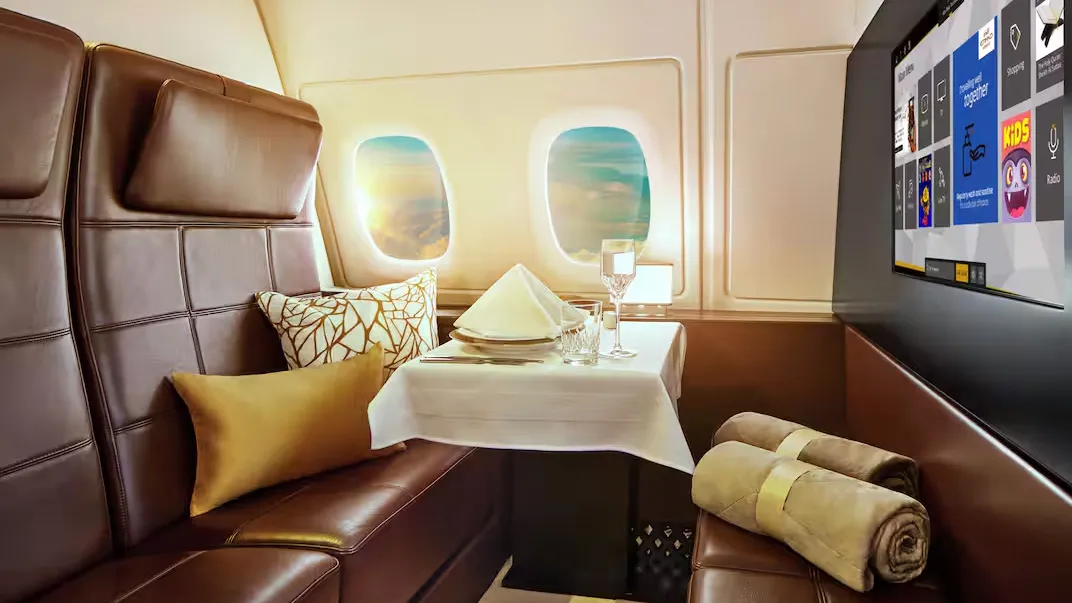
The biggest highlight is United’s new Polaris business class suite — bringing a widebody experience into a narrowbody aircraft.
Key Features:
- Fully lie-flat beds (up to ~78 inches)
- Sliding privacy doors (pending regulatory approval)
- 19-inch 4K entertainment screens with Bluetooth
- Wireless charging + USB-C + AC power
- Premium bedding and luxury amenities
The seats are arranged in a 1-1 herringbone layout, ensuring direct aisle access for every passenger.
👉 The goal:
Create a private, premium suite — even on a smaller aircraft
Premium Plus: The New Sweet Spot
United is doubling down on premium economy — a segment seeing massive global demand.
Premium Plus includes:
- Wider reclining seats in a 2-2 configuration
- Increased legroom and privacy
- Larger screens and upgraded service
👉 This cabin is positioned as the perfect balance between luxury and affordability
Economy Class Gets a Surprise Upgrade
Even economy passengers are seeing improvements:
- Modern 3-3 seating layout
- Larger seatback screens
- A walk-up snack bar at the rear of the aircraft
👉 The snack bar replaces several seats — a clear sign United is prioritizing experience over density
Technology & Connectivity: Built for the Modern Traveler
The A321XLR is designed as a fully connected aircraft:
- Bluetooth-enabled entertainment systems
- High-speed Wi-Fi (including potential Starlink integration)
- Advanced digital controls and cabin lighting
👉 Technology is no longer optional — it is core to the passenger experience
Why This Aircraft Matters: Strategy Behind the Move
United’s investment in the A321XLR is not just about new planes — it’s about redefining its network strategy.
1. Unlocking New Routes
The aircraft allows United to:
- Launch flights to smaller European cities
- Expand into underserved international markets
- Operate routes with lower demand but high yield
2. Fuel Efficiency Advantage
Compared to older aircraft, the A321XLR is:
- More fuel-efficient
- Lower operating cost
- Better suited for long-haul narrow routes
3. Premium Revenue Focus
United is betting on one key trend:
👉 Premium passengers drive profitability
This aligns with its broader fleet strategy of adding 250+ aircraft with enhanced premium cabins.
Where Will It Fly?
United plans to deploy the A321XLR on:
- Transatlantic routes (Europe)
- South America connections
- Select long-haul international markets
👉 Expect routes like:
- Newark → secondary European cities
- U.S. East Coast → niche global destinations
The Bigger Industry Impact
United’s A321XLR is part of a larger global shift:
✈️ Narrowbody aircraft are going long-haul
💺 Premium cabins are expanding rapidly
🌍 Airlines are focusing on route flexibility
👉 The traditional model of “big planes only for long-haul” is being disrupted
🔍 AeroRanks Insight
This is not just a new aircraft.
It is a strategic statement.
- Airlines are moving toward smaller, smarter, more efficient long-haul operations
- Premium travel is becoming the core revenue engine
- Passenger expectations are rising — across all cabins
✈️ Final Word
With the A321XLR, United Airlines is doing something bold:
👉 Bringing luxury, efficiency, and flexibility into one aircraft
This is not just about replacing old planes.
It is about reshaping how the world flies long distances.